A Week Around the Amenities at The Palisades
Pools, tennis, fitness and trails serve different purposes across a week. A practical look at the routines—and access questions—that shape amenity life at The Palisades.
· 6 min read
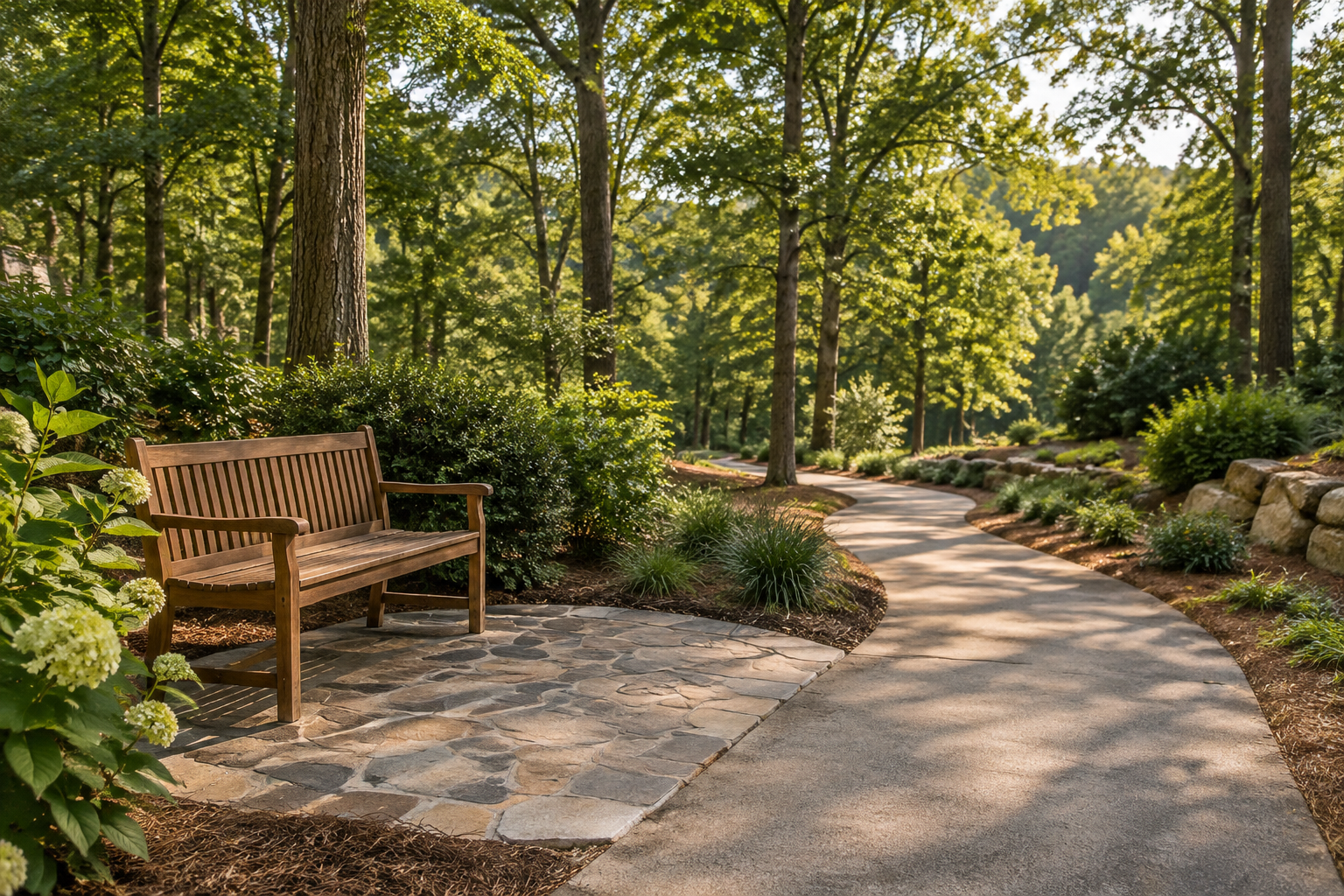
How The Palisades amenities fit into an ordinary week
The useful measure of an amenity is not how it looks on a free Saturday. It is whether it fits a Tuesday with work unfinished, a short interval before dinner or a weekend when nobody wants another elaborate plan. At The Palisades, in southwest Charlotte NC near Lake Wylie, the editorial question is how recreation can become part of ordinary life rather than an occasional destination.
There is no single resident routine, and this entry does not claim to document observed attendance or a current activity calendar. Instead, it considers a practical weekly rhythm: shorter fitness and walking sessions around weekday obligations, tennis that requires coordination, and pool visits with enough time to settle in. These are ways to evaluate everyday usefulness, not a report of what every household does.
Access comes before scheduling. A community amenity, a country-club facility and a nearby recreational destination are not interchangeable. Before building a routine around any of them, verify the particular facility, its operator and the access attached to the relevant property or membership. This journal is independent and is not affiliated with, sponsored by or endorsed by The Palisades Country Club, its HOA or its developer.
Using fitness facilities around the working week
Early in the week, fitness works best when it asks for little preparation. A short strength session or a modest stretch-and-mobility routine can be easier to repeat than a demanding program that depends on an entirely clear evening. The practical questions are straightforward: when can the facility be used, what equipment is available and does the permitted schedule match the household's actual free time?
Those details should come from the facility operator, not from a photograph or a broad description of resort amenities. Confirm current hours, entry requirements and any rules governing younger users. If classes matter, ask for the current schedule and booking requirements; the presence of a fitness space does not establish that a particular class or instructor is available.
It also helps to distinguish a useful workout from a complete outing. Someone with a narrow window may value arriving ready to exercise and leaving immediately afterward. Another person may want time to change or sit before heading home. Check the supporting facilities rather than assuming they exist, because those small practical differences determine whether a weekday visit is repeatable.
Planning tennis without overfilling the calendar
Tennis introduces a different kind of commitment. Unlike an independent walk, a game generally depends on another person's availability, a playable court and suitable weather. A recurring midweek appointment can reduce the effort of arranging each outing, but only if the facility's actual reservation system supports that pattern. Neither court access nor a standing booking should be inferred from a home address.
For anyone considering tennis as part of life at The Palisades, the useful primary-source check is specific: which courts may this household use, how are they reserved and what rules apply to guests? Ask separately about instruction or organized play if those are important. A general reference to tennis does not establish a lesson program, league place or included service.
Leave room around the game itself. Arriving with water, allowing time to warm up and having a weather alternative makes the appointment less brittle. The social benefit may be as simple as a conversation before leaving, rather than a formal event. That distinction matters for households seeking regular contact without adding another heavily scheduled activity.
Making pool time work for different households
Pool time is usually less interchangeable with exercise than amenity lists suggest. A household with children may need a substantial preparation window, while an adult seeking a quiet swim may prefer a shorter visit. Neither use tells you what conditions will be like at a particular pool. Current operating information and a permitted visit are better guides than promotional imagery.
Verify seasonal availability, hours, guest rules and any age or supervision requirements directly with the pool operator. Do not assume that swimming lanes, instruction, food service or a particular level of staffing are provided. If one of those features determines whether a visit is practical, establish it before treating pool access as part of a weekly routine.
Later in the week, a pool outing can provide time without an ambitious agenda: bring what the rules permit, allow for changing and leave before the visit becomes tiring. Shade and seating can affect comfort as much as the water itself. Assess those features at the actual facility, along with accessibility needs, rather than relying on the word 'resort.'
Walking trails near Lake Wylie and finding time between activities
Walking offers a useful counterweight to activities that require reservations or equipment. A short outing can fill a gap between commitments without becoming the day's main event. Around The Palisades, distinguish a confirmed community route from a public recreation area near Lake Wylie; proximity to the lake does not establish shoreline access or a continuous waterside path.
For any proposed walk, verify the route's legal access, surface, permitted uses and current condition with the responsible operator or land manager. Consider daylight, weather and the return journey before setting out. A route that works for a brisk solo walk may not suit a stroller, a mobility aid or someone who needs frequent places to rest.
The spaces between activities deserve similar attention. Where seating and access are confirmed, a pause after tennis or before heading home can make recreation less hurried. Notice whether there is shade, whether conversation can happen without obstructing circulation and whether lingering is permitted. A modest, comfortable stopping place can serve a different purpose from an organized social gathering.
What to verify before building an amenity routine
Start with a household's likely week, not an exhaustive list of facilities. Identify two or three activities that would genuinely recur, then verify the access and operating details for each. Our amenities coverage provides the broader framework; country-club coverage addresses a separate set of questions, while Lake Wylie coverage helps distinguish nearby recreation from community provisions.
Keep those checks property-specific. Ask the relevant HOA or community manager about community facilities, the country club about club arrangements, and the responsible public agency about public recreation areas. Obtain current written information where access is material to a decision. Neither residence in a master-planned community nor proximity to its golf course establishes every recreational entitlement.
A workable week need not include everything. One scheduled game, a couple of brief workouts and an unhurried walk may offer more value than a calendar filled with plans that rarely happen. The point is not maximum amenity use. It is a routine whose permissions, preparation and pace fit the people who will actually follow it.
Common questions
- Does living at The Palisades include access to every amenity?
- Do not assume that it does. Verify the facilities and access associated with the specific property through the relevant HOA or community manager, and confirm country-club arrangements separately with the club.
- Where should I check pool hours and tennis reservations?
- Contact the operator of the particular pool or courts for current hours, reservation procedures and use rules. General neighborhood descriptions are not a substitute for current operating information.
- Does proximity to Lake Wylie mean residents have lake access?
- No; proximity alone does not establish shoreline, boating or swimming access. Verify any proposed access point with its owner or responsible public agency, including permitted activities and current conditions.
An independent editorial entry. Details change over time and should be verified with the relevant primary source.
All journal entries