What Drives Home Values Inside The Palisades
Frontage, construction era, sunlight, and club proximity shape value differently. A practical guide to separating lasting property advantages from features that need closer inspection.
· 6 min read
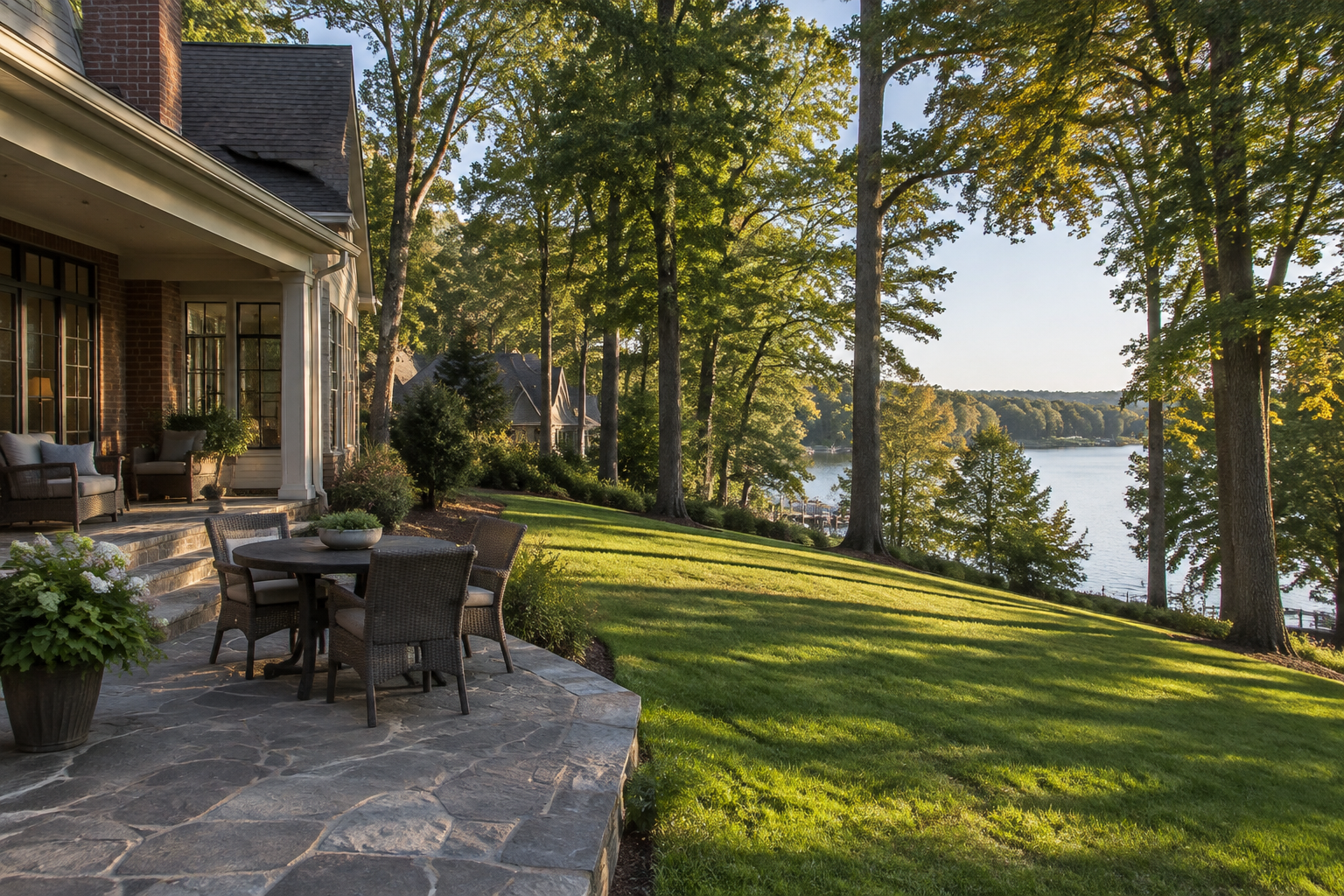
What determines home values in The Palisades?
A community name provides context, not a complete valuation. Within The Palisades, two houses with similar square footage can offer substantially different ownership experiences. One may have a usable, private rear garden; another may devote much of its lot to a slope. One may face open water; another may glimpse it only when the trees are bare. Those differences deserve attention before finishes or bedroom counts.
For a buyer comparing homes in Charlotte NC, the useful question is not which feature sounds most desirable. It is what that feature delivers, what it costs to maintain, and whether comparable closed sales show buyers paying for it. Frontage, construction era, orientation, and proximity to amenities should be evaluated separately before considering their combined effect.
This journal is an independent editorial guide, not affiliated with, sponsored by, or endorsed by The Palisades Country Club, its HOA, or its developer. Property-specific rights, restrictions, and obligations require confirmation through the relevant documents and primary sources.
How waterfront, golf frontage, and interior lots compare
Frontage describes a boundary condition, not a uniform benefit. On Lake Wylie, direct waterfront should be distinguished from a water view or nearby lake access. Shoreline shape, water depth, bank slope, and the relationship between the house and the water affect everyday use. A photograph cannot establish any of those conditions reliably.
Do not assume a waterfront parcel includes a permitted dock or the right to build one. Confirm shoreline permissions and any existing structure's status with the responsible authority, and review the survey and recorded documents. Drainage, flood exposure, and shoreline maintenance also belong in the comparison. These factors can change the cost and practicality of ownership even when the view is attractive.
Golf frontage offers a different set of trade-offs: an open outlook may come with visibility from the course, maintenance activity, or potential ball exposure. Interior lots may provide useful privacy without either form of frontage. Compare actual setbacks, vegetation, easements, and usable outdoor space rather than treating an interior location as automatically inferior.
Why build vintage matters beyond the year built
Construction era is useful because it helps frame questions about layout, materials, systems, and approaching replacement work. It is not a quality ranking. An older house with documented maintenance and thoughtfully updated systems may present fewer immediate expenses than a newer house whose equipment and exterior have received less attention.
Separate cosmetic renovation from work that changes performance or service life. New countertops do not establish the condition of the roof, drainage, heating and cooling equipment, or windows. Ask for installation records, warranties, permits where applicable, and evidence of completed repairs. An inspection should test the condition narrative suggested by the listing.
Floor plans also age differently. Bedroom placement, stair dependence, storage, ceiling heights, and the connection between kitchen and outdoor space affect how readily a house serves different households. When comparing build vintages, identify what can be altered economically and what is embedded in the structure. The relevant distinction is often adaptability, not simply old versus new.
How lot orientation affects light, privacy, and usability
Orientation becomes tangible at the windows and outdoor seating areas. A west-facing rear elevation can receive strong afternoon sun, while tree cover, roof overhangs, and neighboring buildings modify that exposure. Compass direction alone is therefore insufficient. Visit at different times when possible, and note which rooms need artificial light during the day.
Outdoor comfort depends on more than a view. A shaded terrace may be more useful to one household than a broad, exposed lawn. Another may prioritize sunlight for gardening. Look at where water drains, whether the yard is reasonably level, and how much of the parcel can actually support ordinary recreation without substantial grading or retaining work.
Privacy should be assessed seasonally. Deciduous trees can screen neighboring windows in summer and reveal them in winter. Check the position of adjacent decks, upper-floor rooms, and paths, along with recorded easements or restrictions affecting potential screening. Landscaping can improve a setting, but it cannot always correct an unfavorable relationship between houses.
Does proximity to The Palisades Country Club add value?
Proximity to club facilities can make a location more convenient for a household that uses them. It does not establish membership, access rights, or included services. Verify current eligibility, terms, and costs directly with The Palisades Country Club rather than inferring them from an address or listing description.
Distance also needs a practical definition. A house that appears close on a map may not have a direct, suitable walking route. Consider the actual route, crossings, terrain, and available pedestrian infrastructure. These are more informative than a straight-line measurement, particularly when comparing two otherwise similar homes.
Being nearby can also mean greater exposure to arrivals, departures, lighting, or outdoor activity, depending on the parcel. Observe the immediate setting rather than assuming either a benefit or a nuisance. Convenience and separation appeal to different buyers, so any price adjustment should be supported by comparable sales, not by the assertion that closer is always better.
How to compare Palisades homes without overstating value
Begin with closed sales that resemble the subject property in location, size, condition, and frontage. Active listings show seller expectations, not completed transactions. Price per square foot can identify questions, but it cannot reliably isolate the contribution of a waterfront boundary, a renovated interior, or an unusually usable lot.
Build a comparison sheet with separate entries for frontage and rights, construction and system condition, orientation and yard usability, and amenity proximity. Add documented ownership obligations and likely near-term work. This keeps a dramatic view or polished kitchen from obscuring less visible differences.
Use the guide's Home Values coverage to understand valuation methods, Homes coverage to organize property-level observations, and Compare coverage to weigh trade-offs consistently. For a purchase or sale decision, obtain current records and appropriately qualified local advice. The goal is not a universal premium for each feature, but a defensible explanation of why one property merits a different assessment.
Common questions
- Are waterfront homes always worth more than golf-front homes?
- No fixed ranking applies to every pair of properties. Waterfront usability, shoreline rights, house condition, and maintenance exposure can outweigh the frontage label; a sound comparison requires relevant closed sales.
- Is a newer home in The Palisades necessarily a better value?
- No. Compare documented condition, likely replacement work, layout, and purchase cost rather than relying on the year built. A newer construction date does not substitute for an independent inspection.
- Does buying near the club include membership or access?
- Do not assume that proximity or ownership includes either. Confirm current membership and access terms directly with The Palisades Country Club, and review the property's recorded documents for any separate rights or obligations.
An independent editorial entry. Details change over time and should be verified with the relevant primary source.
All journal entries